Ever flicked the kettle on and watched the lights sag like they’d had a long day? In an old New Farm unit, that’s not a quirk. It’s a warning.
Here’s how it often goes. Someone buys a tidy two-bedder in a 1960s brick block, a short walk from Brunswick Street. They’ve got the whole plan: new kitchen, pale floors, fresh white paint on everything. The painters finish. The split system goes in. Then one hot January night the oven, the aircon and the dishwasher all run together, and the power drops out. Now an electrician has to cut into brand new walls.
That’s the problem with modernising. The pretty bits get all the attention, while the wiring sits behind the plaster doing its best. Getting an electrician New Farm owners trust through the door early, before anyone buys tiles, is the cheapest advice in any reno.
Here are six upgrades worth checking first.
Key Takeaways
- Older New Farm blocks were built for far less power than we use today
- Check the power supply and switchboard before anything cosmetic
- Look at old wiring while the walls are still open
- Plan power points by standing in the room, not on paper
- LEDs are worth it, especially in a Brisbane summer
- Queensland's smoke alarm deadline is 1 January 2027, so build it into your plan
1. Find Out What Power Your Unit Really Gets
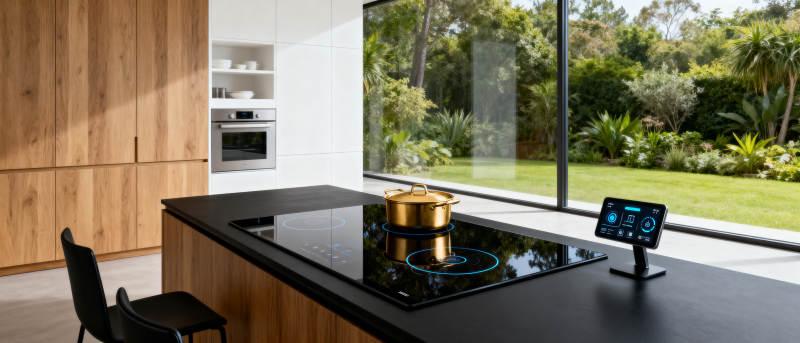
Every unit gets power through a cable from the main meter, and that cable has a limit. In a block from the 1930s to 1960s, the limit was set when a unit ran a few lights, a fridge and maybe a heater. Now you’ve got split system aircon, an induction cooktop, a dryer, a big TV and chargers everywhere.
If your lights dim when something big switches on, or breakers trip around dinner time, the cable might be asking for help. Sometimes it’s fine and the problem is elsewhere. Sometimes it needs bigger sub-mains, and in a unit block that can mean talking to the body corporate. Better to know before you order a new oven. A load test is a short job and takes out the guesswork.
2. Give the Switchboard a Proper Look
Open the little door. If you see round ceramic fuses, or a board that looks like it’s from the seventies, it’s time.
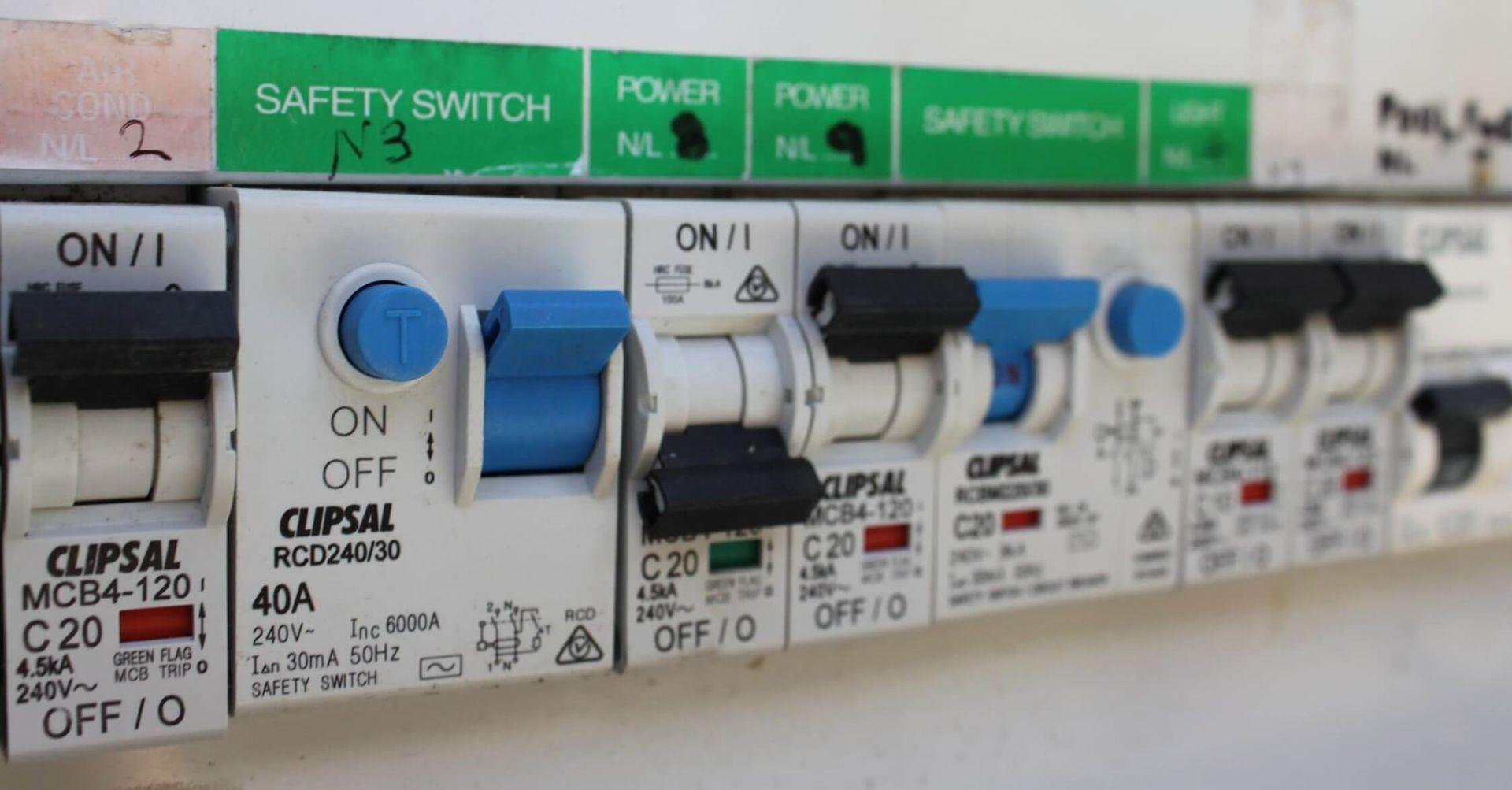
The switchboard is what protects you. Modern boards have safety switches that cut the power in a split second if electricity goes where it shouldn’t, like through a person. Older ones often don’t have any. Queensland has rules about safety switchboard installation Brisbane, especially for new work, big renovations and homes that are sold or rented. A licensed electrician can tell you what applies to your unit.
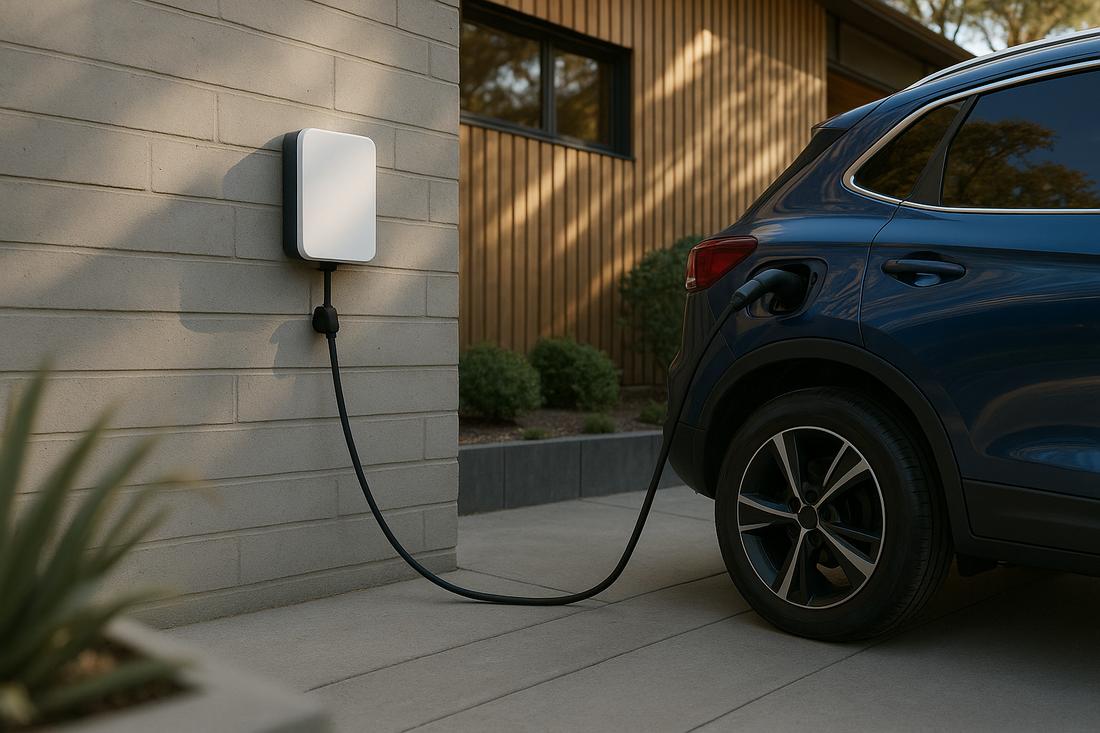
A new board also gives you room to grow. Want a bigger oven, a heat pump hot water system or an EV charger down the track? Spare space on the board makes that easier.
And if your unit sits low near the river, ask about the board’s height. Plenty of locals still remember the 2011 and 2022 floods. Moving a switchboard up is a small job compared with replacing a ruined one.
3. Check the Old Wiring While the Walls Are Open

Wiring is the one thing you can’t see, which is exactly why it gets skipped.
Cloth-covered and old rubber-covered cables go brittle over the decades. They can crack when touched and leave bare wire inside a wall. In units that have been patched up over the years, it’s common to find old and new cable joined together in the ceiling. It works, until it doesn’t.
If you’re pulling out a kitchen or gutting a bathroom, the walls are already open. That’s the cheapest moment to have someone look and replace anything tired. Once the tiles are up, the same job costs a lot more.
Converted warehouses and newer towers near Teneriffe have a different headache. Concrete and brick make running new cable hard. Plan every light and power point before the finishes go on, or you’ll end up with conduit stuck across a feature wall. Nobody wants that.
4. Plan Power Points by Standing in the Room
This one needs no tools. Walk through your unit with your phone. Stand where the bed will go, then the couch, the desk, the kitchen bench. Every time you’d plug something in, write it down.
Old units usually have too few power points, and they’re in odd spots. One behind the couch, one in the middle of a wall. People end up with double adaptors and power boards snaking along the skirting.
Think about two or three on the kitchen bench, one near the fridge, a couple in the home office, one on the balcony for a fan or lamp, and a few USB points where the phones live. Then add one extra in each room. It costs little now and a lot later. A good electrician New Farm apartment owners use will often knock out the whole list in one visit.
5. Swap the Lights for LEDs, and Think About Mood
Lighting is where a unit goes from “fine” to “oh, nice.”
Old halogen downlights are hot, hungry and always burning out. LEDs run cooler and last for years, and in a Brisbane summer, less heat from the ceiling means the aircon doesn’t work as hard. Warm white suits older buildings. The cold blue ones feel like a waiting room.
Then there’s the fun stuff. A pair of pendants over the kitchen bench. Dimmers in the living room, so dinner feels like dinner. A soft glow on the balcony for after the afternoon storm passes.
One catch: dimmers and LEDs need to match. If they don’t, you get a buzz or a flicker, and that gets old fast. Tell your electrician which lights you’ve bought.
6. Sort Your Smoke Alarms Before the Deadline
Brisbane’s 2027 smoke alarm deadline is fast approaching, with all homes required to meet the updated smoke alarm rules by 1 January 2027. The alarms must be photoelectric and interconnected, so when one goes off, they all do. They go in every bedroom, in hallways that link bedrooms to the rest of the home, and on every level.
If you’re renovating anyway, it’s a neat time to do it. With ceilings open, hardwired alarms can go in cleanly. Check the Queensland Fire Department website for the rules that fit your building.
Before You Book Anyone
Unit living means other people’s rules. Work inside your own lot is usually fine. But shared walls, common risers and the main board might need body corporate approval, so read your by-laws first. A lot of New Farm buildings also sit in heritage or character areas. Inside work is mostly okay, but anything visible from the street may need council approval.
Order matters, too. Electrical comes before plastering, painting and flooring. Good tradies book out fast, so line up an electrician New Farm owners rate well before the painter turns up.
The Bottom Line
Sort the hidden stuff first and the rest of your reno gets easier. That means the power supply, switchboard, wiring, power points, lights and smoke alarms. It’s not as fun as picking a benchtop, but it keeps everything else working.
Need an electrician New Farm owners can rely on? Contact us at CM Electrical QLD on 1300 788 893 and we’ll help you plan your upgrades.
Quick Questions
No. In Queensland, electrical work has to be done by a licensed electrician. It’s illegal to do it yourself, and it’s risky.
Usually part of one day. Ask for a time window and plan around the fridge and any work-from-home needs.
You’ll likely need body corporate approval, and the building’s supply has to cope. Ask early if an electric car is on your list.
Often, yes. Safety switches and smoke alarms are things agents and tenants look at, and the rules for rentals are tighter.
Most people see a small drop, since LEDs use far less power than old halogens. Cooler lights can also ease the load on the aircon.